WALTERS-EG
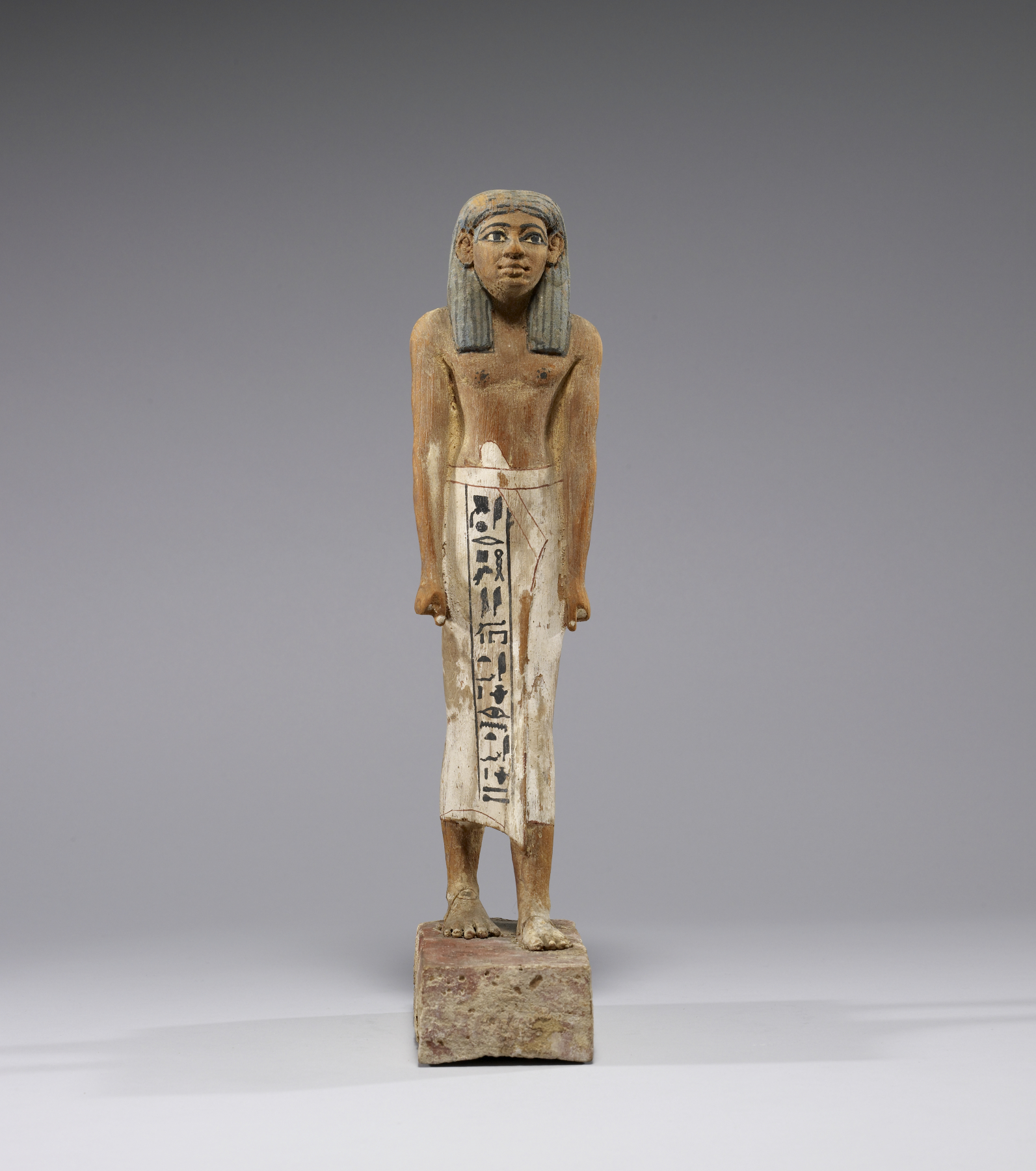
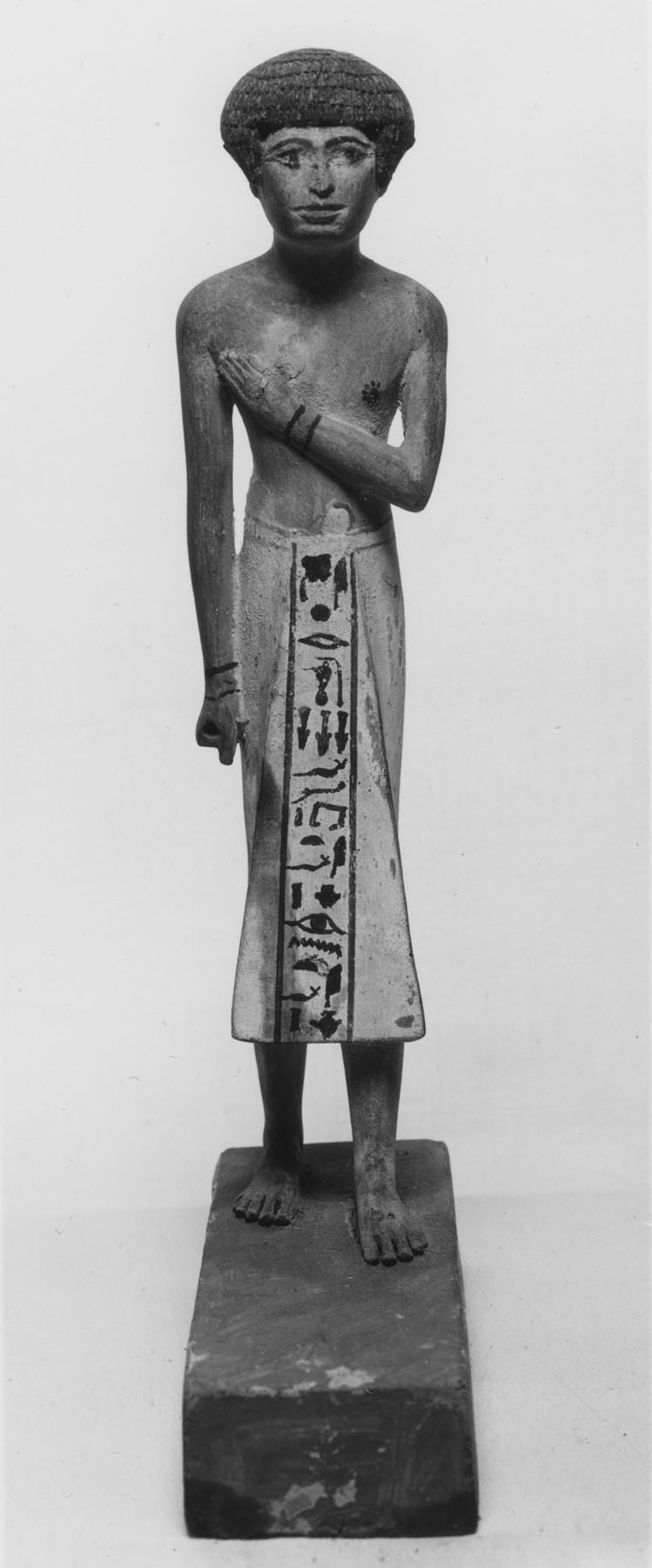
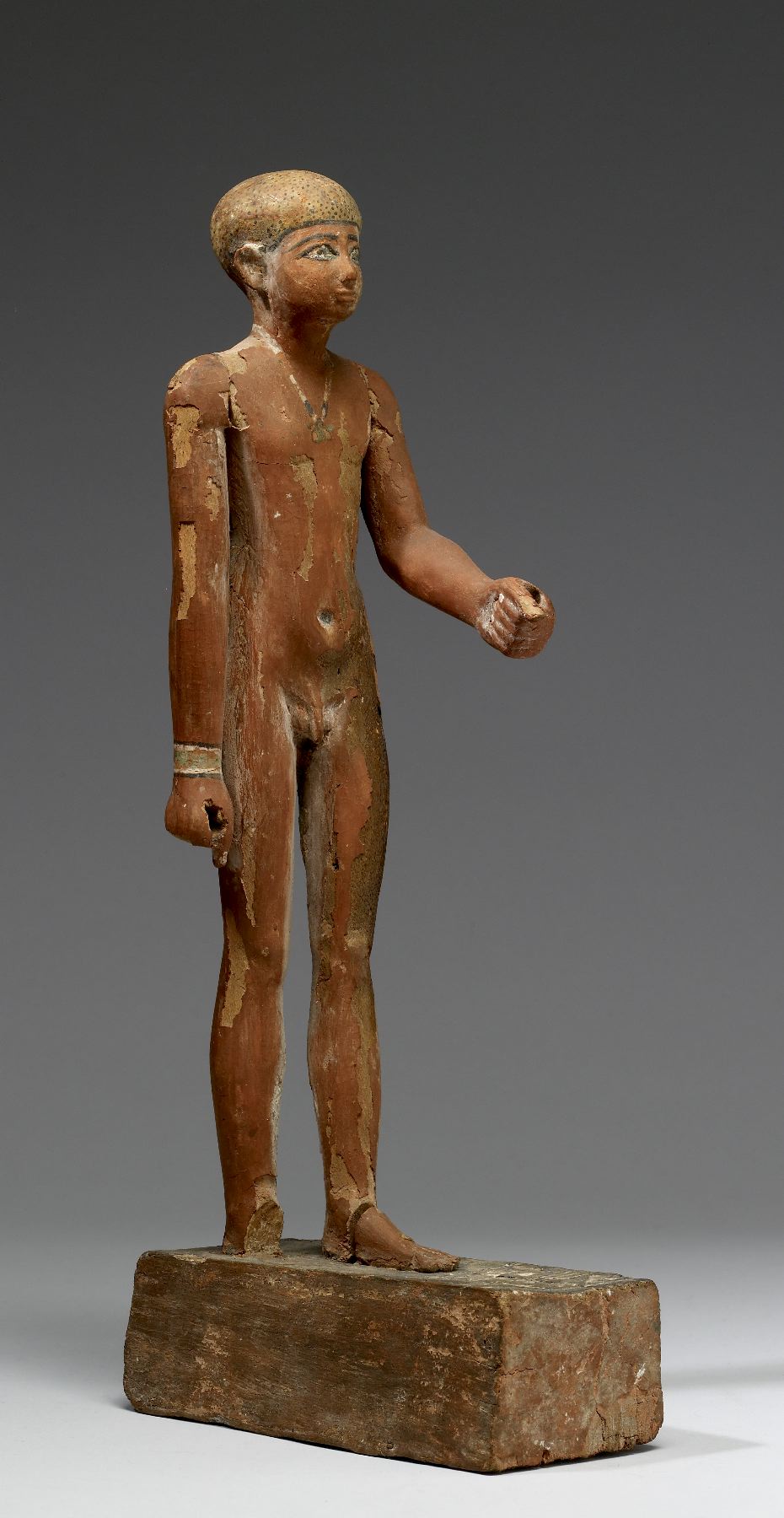
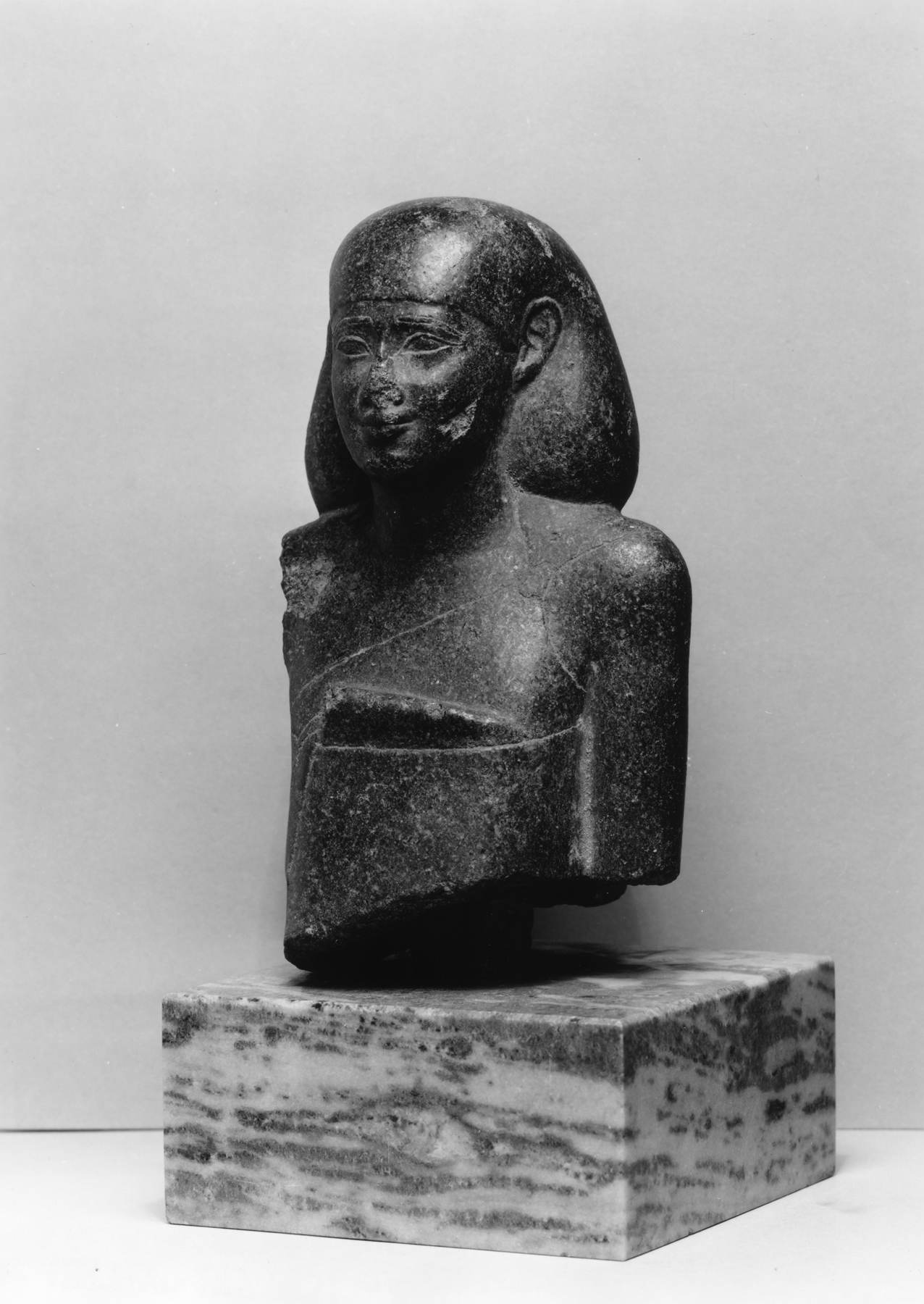
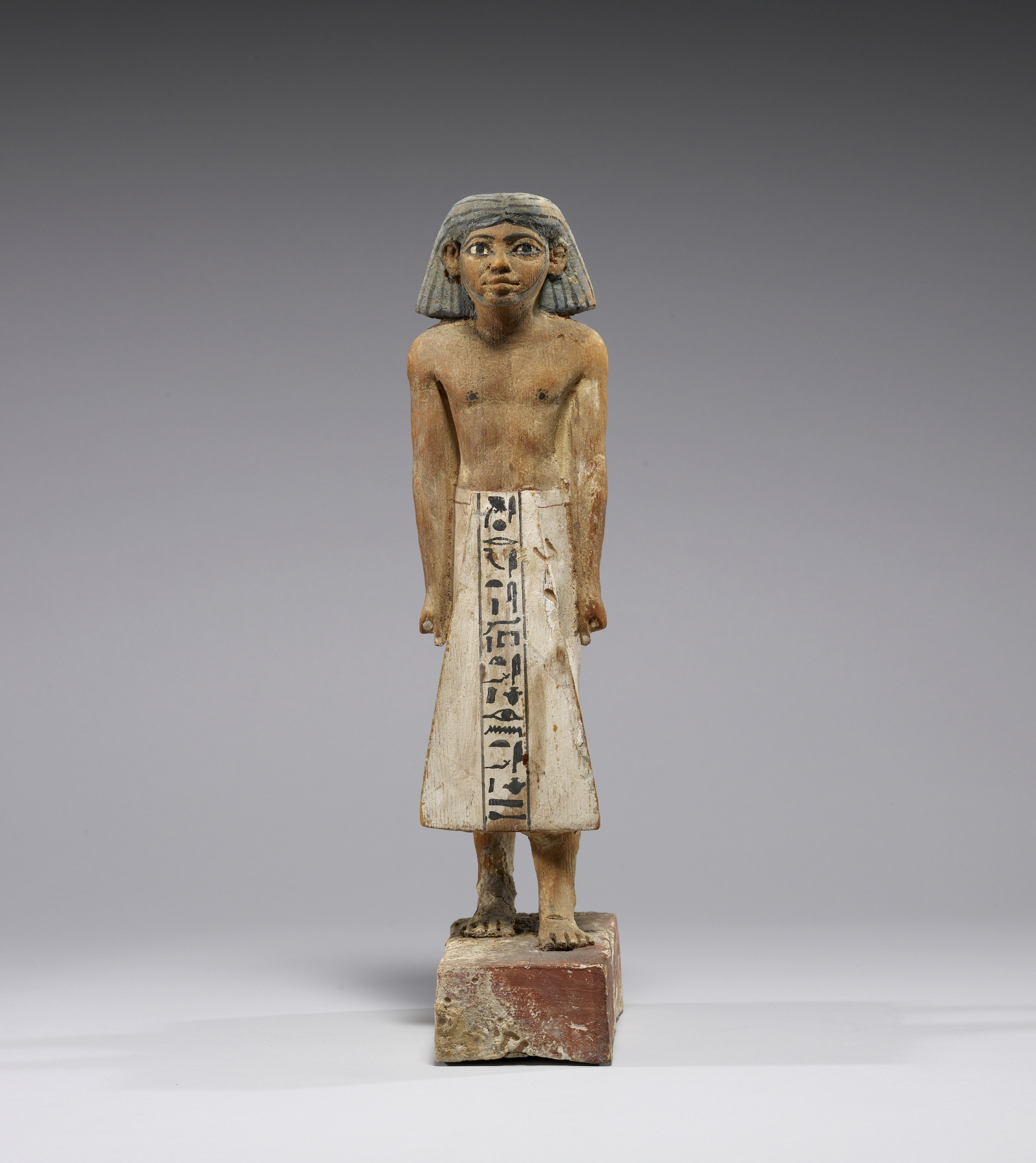
<p>Tombs sometimes contained more than one statue representing the owner. The statues were usually inscribed with the owner's name and titles, and they served as a focus for funerary rituals. These examples, belonging to a man named Tef-ib, are unusual in that they represent the tomb owner while also bearing inscriptions referring to the four sons of Horus, who protected the internal organs of the deceased. These deities were also identified with the north, south, east, and west, and the statues may have been placed in the tomb in accordance with these directions. The differing facial features of these statues (including Walters 22.11, 22.12, 22.13) suggest that they were made by more than one artist. Notice as well, the sizes of the four figures differ as well as their wigs.</p><p>For the latest information about this object, <cite><a href='https://purl.thewalters.org/art/22.10' rel='external'>Statue of Tef-ib</a></cite>, visit the Online Collection of the Walters Art Museum.</p>
Machine-generated from the object's image on Jul 2026. Not curatorial; treat deities, names, and signs below as the model's best reading, not authority.
A painted, human-form standing Egyptian statue of a male figure with a broad collar and inscribed panel on the torso/abdomen.
The artifact depicts a standing, mummiform-like male statue. The figure has a dark, tripartite-style wig or head covering with a blue-and-black striped nemes-like appearance and a painted face with kohl outlines. The body is largely nude, with a broad necklace/collar painted across the upper chest. On the lower torso/abdomen there is a vertical rectangular area filled with black hieroglyphic-like signs. A supporting base is integral to the object, and the legs are separated with painted details; the figure wears a painted kilt-like garment only at the hips/upper thigh area. The overall surface shows areas of wear and flaking paint, consistent with an older carved and painted wooden object. No clear royal cartouche is visible; no identifiable deity iconography beyond the general funerary/ritual statue form is present. There is no readable Greek/Coptic/Arabic text in the image.
Spotted an error, a mis-mapped findspot, or have a suggestion? We read every note.